

Introduction
As we age, our skin naturally changes, making it increasingly important to choose the right moisturizer. Skin oil production declines after 60, collagen levels decline, and the skin barrier weakens. Dryness, fine lines, wrinkles, dullness, and sensitivity are often the results of these changes.
A quality moisturizer does much more than hydrate the skin. By using the right formula, you can improve elasticity, reduce moisture loss, strengthen the skin barrier, soften wrinkles, and restore a healthier, more radiant appearance.
Discover Top 15 best moisturizer
Table of Contents
If your skin feels tight in the morning, flakes throughout the day, or appears dull despite using skincare products, choosing the right moisturizer can make a noticeable difference.
In this comprehensive guide, you’ll discover:
- Why skin becomes dry after 60
- The ingredients dermatologists recommend
- Ingredients to avoid
- How to apply moisturizer correctly
- Morning and nighttime skincare routines
- Common mistakes people make
- Frequently asked questions
- Expert skincare tips
Why Skin Becomes Dry After Age 60
Understanding why mature skin becomes dry helps explain why a regular moisturizer often isn’t enough.

Several biological changes occur naturally as we age.
- A reduction in natural oil production (sebum) marks the aging process of the sebaceous glands. Reduced production of sebum causes dry skin because it seals moisture into the skin.
- The production of collagen begins to decline in your 30s. Skin becomes thinner and less hydrated after 60 due to collagen loss.
Slower Cell Renewal
Young skin renews itself approximately every 28 days. By age 60, this process can take nearly twice as long.
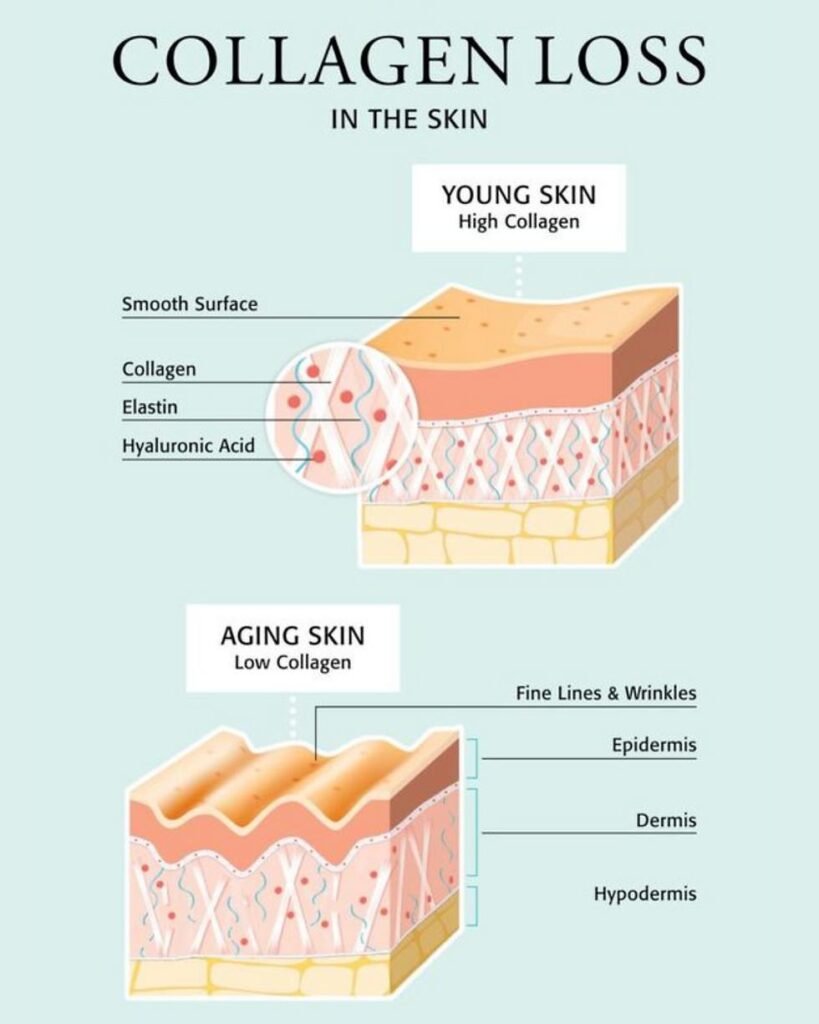
Dead skin cells accumulate on the surface, leading to:
- Rough texture
- Dry patches
- Flaking
- Dull appearance
Weaker Skin Barrier
The outer skin barrier acts like a protective wall that keeps moisture in while blocking irritants.
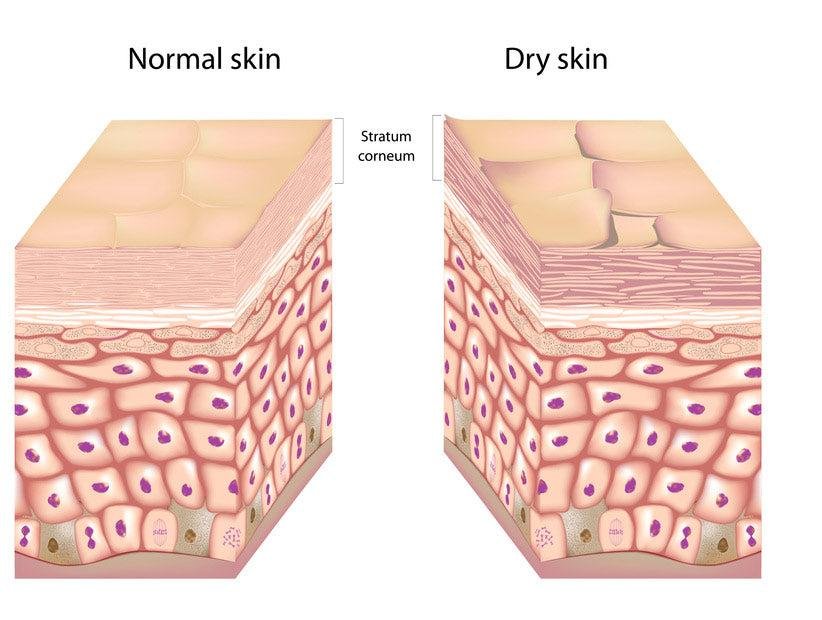
As the barrier weakens:
- Water escapes more quickly
- Skin becomes dehydrated
- Sensitivity increases
- Environmental damage occurs more easily
Signs You Need a Better Moisturizer
Many people assume their moisturizer is working because their skin feels soft for an hour.
However, if you notice any of these symptoms, your moisturizer may not be providing enough hydration.
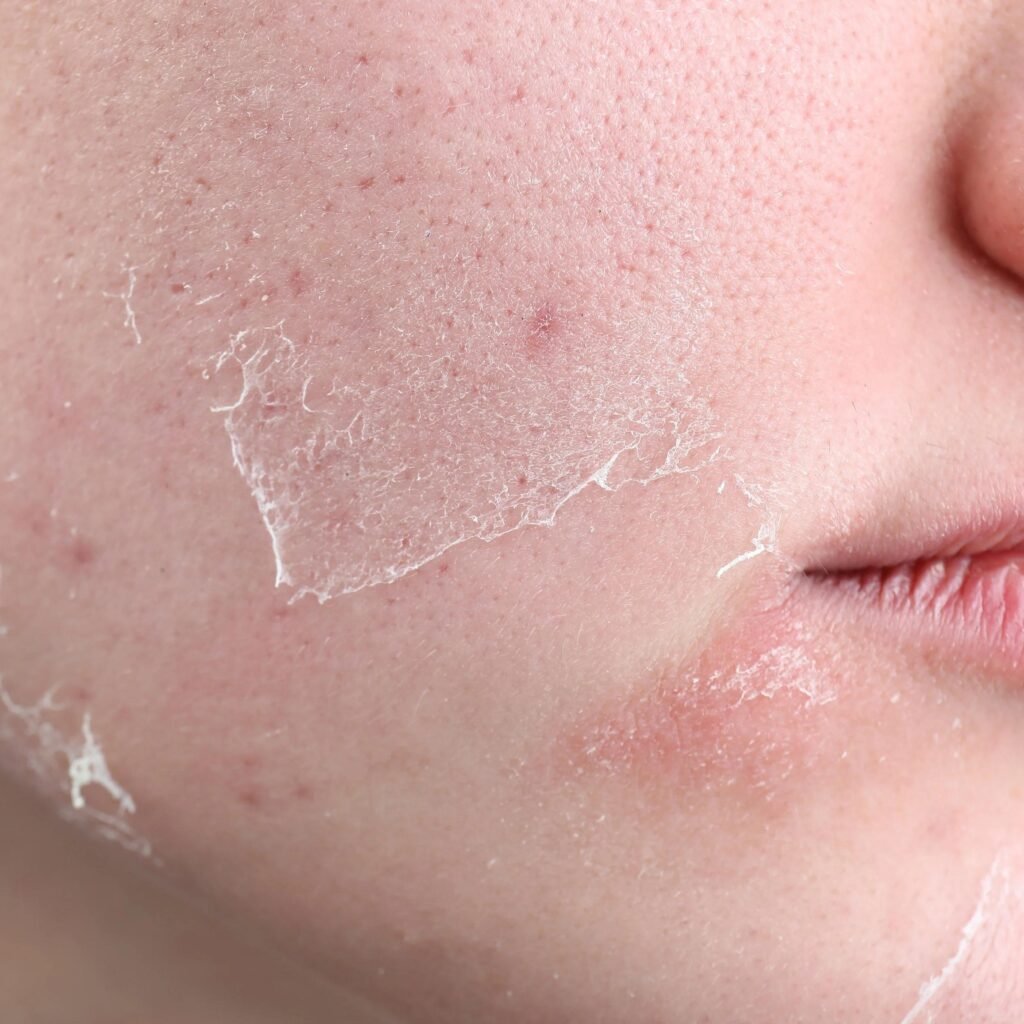
Common Symptoms
✔ Tight skin after washing
✔ White flakes
✔ Rough patches
✔ Itching
✔ Fine lines becoming more noticeable
✔ Makeup settling into wrinkles
✔ Skin feels dry again within a few hours
✔ Dull complexion
What Makes the Best Moisturizer for Dry Aging Skin Over 60?
Not all moisturizers are designed for mature skin.
Older skin benefits from products containing ingredients that hydrate while repairing the skin barrier.
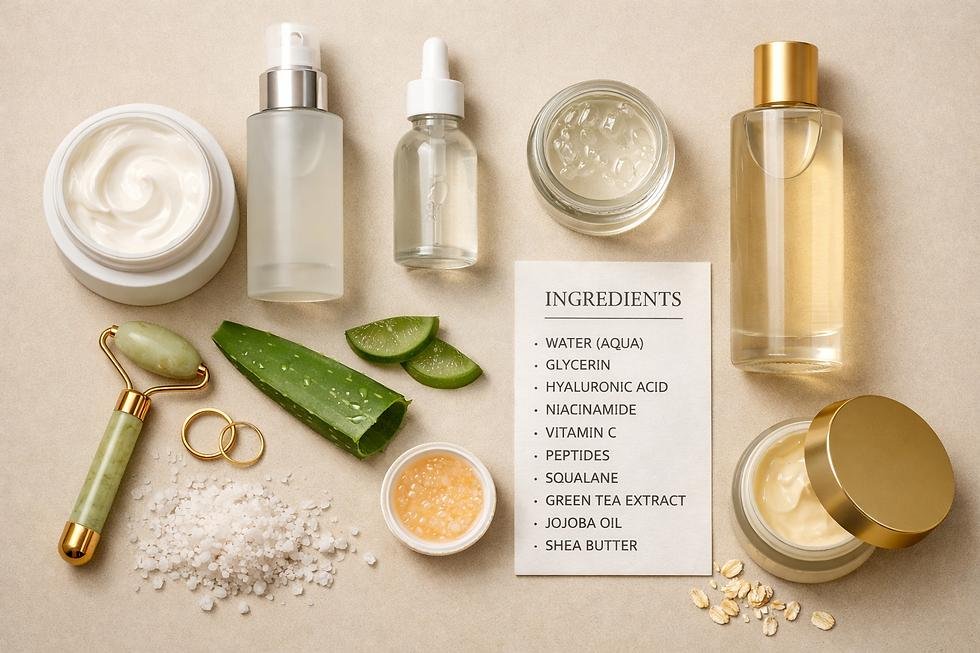
Essential Moisturizing Ingredients
| Ingredient | Benefits |
|---|---|
| Hyaluronic Acid | Holds up to 1000x its weight in water |
| Ceramides | Repair damaged skin barrier |
| Glycerin | Draws moisture into the skin |
| Shea Butter | Deep nourishment |
| Squalane | Mimics natural skin oils |
| Niacinamide | Strengthens barrier and improves texture |
| Peptides | Support collagen production |
| Vitamin E | Antioxidant protection |
| Oat Extract | Calms irritated skin |
| Panthenol | Reduces dryness and redness |
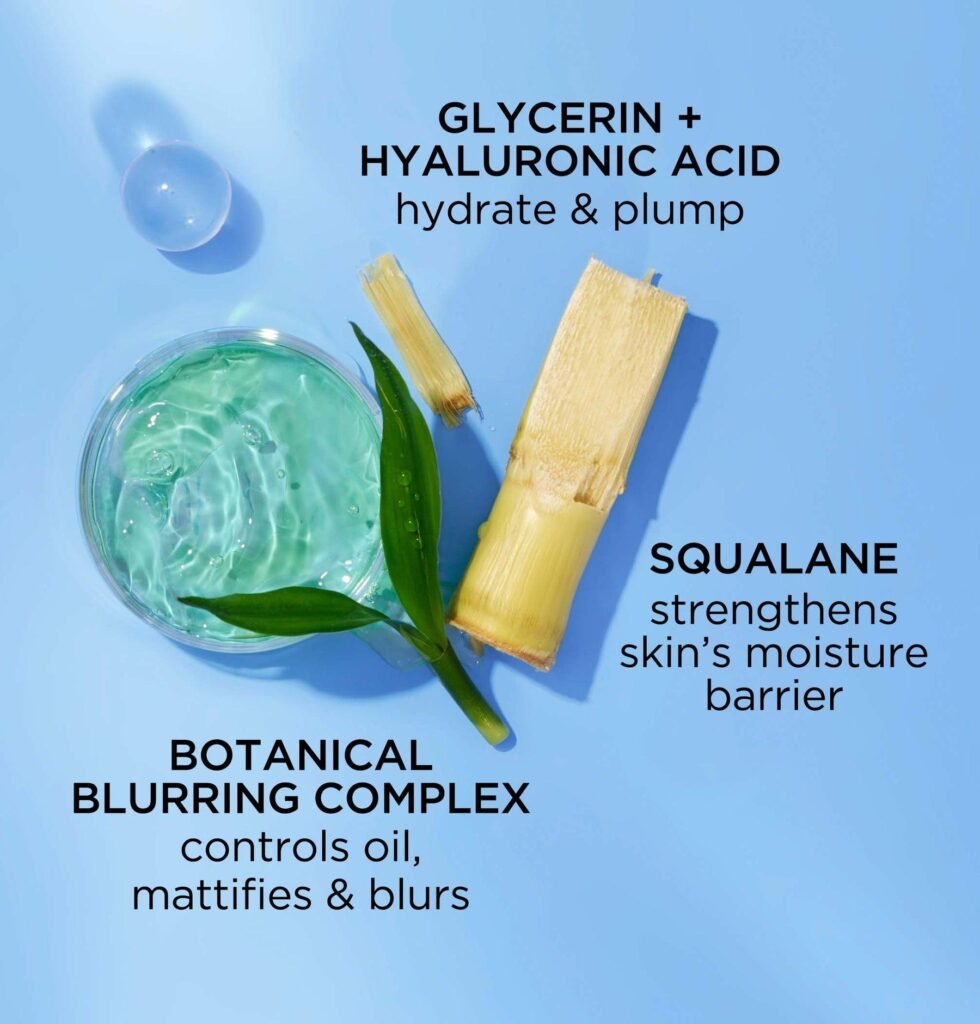
Ingredients to Avoid
Some ingredients may worsen dryness, especially for aging skin. 10 Ingredients to Avoid
Avoid These Ingredients
| Ingredient | Why Avoid It |
|---|---|
| Alcohol Denat | Extremely drying |
| Strong Fragrance | Can irritate sensitive skin |
| Harsh Sulfates | Strip natural oils |
| High Concentration Acids | May over-exfoliate |
| Menthol | Causes irritation |
| Camphor | Can increase dryness |
Understanding Different Types of Moisturizers
Choosing the right texture matters just as much as choosing the right ingredients.
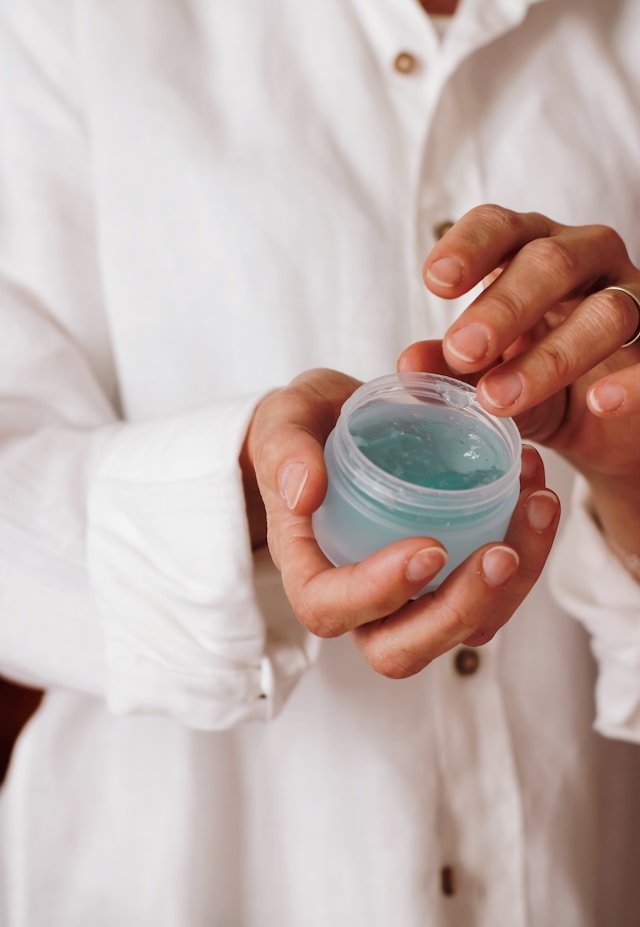
1. Cream Moisturizers
Best for:
- Very dry skin
- Winter weather
- Mature skin
- Overnight hydration
Advantages
- Rich hydration
- Long-lasting moisture
- Repairs skin barrier
2. Lotion Moisturizers
Best for:
- Mild dryness
- Daytime use
- Combination skin
Advantages
- Lightweight
- Fast absorption
- Comfortable under makeup
3. Balm Moisturizers
Best for:
- Extremely dry skin
- Damaged skin barrier
- Windburn
- Cold climates
Advantages
- Intensive repair
- Locks in moisture
- Excellent overnight treatment
Morning Moisturizing Routine
Following a consistent morning routine helps maintain hydration throughout the day.
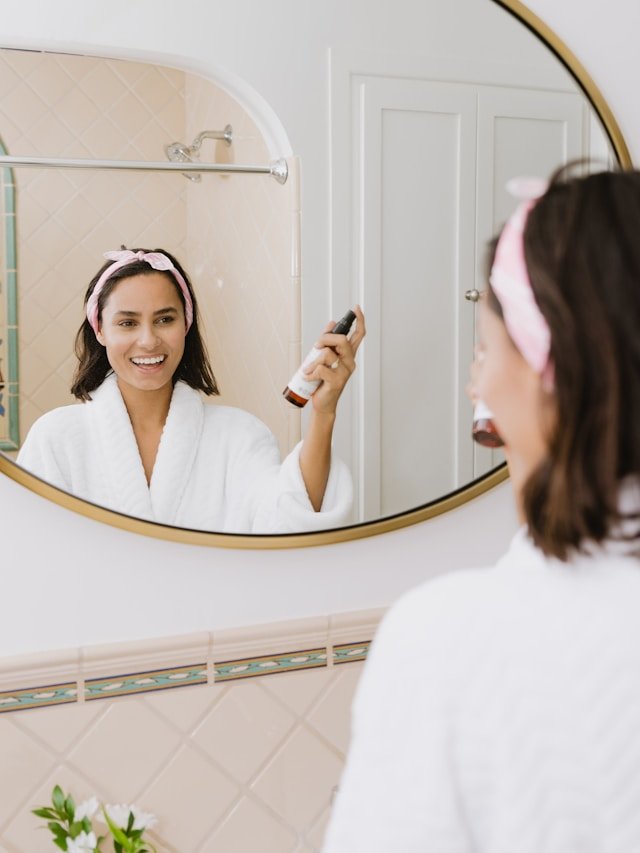
Step 1 – Gentle Cleanser
Use a hydrating cleanser rather than harsh soap.
Avoid products that leave your skin feeling squeaky clean.
Step 2 – Hydrating Serum
Apply a serum containing:
- Hyaluronic acid
- Peptides
- Niacinamide
Always apply serum and Moisturizer for Dry Aging Skin while skin is still slightly damp.
Step 3 – Moisturizer
Choose a rich Moisturizer for Dry Aging Skin designed for mature skin.
Massage gently using upward strokes.
Allow several minutes for absorption.
Step 4 – Sunscreen
Even the best Moisturizer for Dry Aging Skin cannot prevent sun damage.
Always finish with SPF 30 or higher.
Daily sunscreen helps reduce:
- Wrinkles
- Age spots
- Collagen loss
- Dryness caused by UV exposure
Nighttime Moisturizing Routine
Nighttime is when skin repairs itself.
A richer Moisturizer for Dry Aging Skin can work overnight while moisture loss naturally increases during sleep.
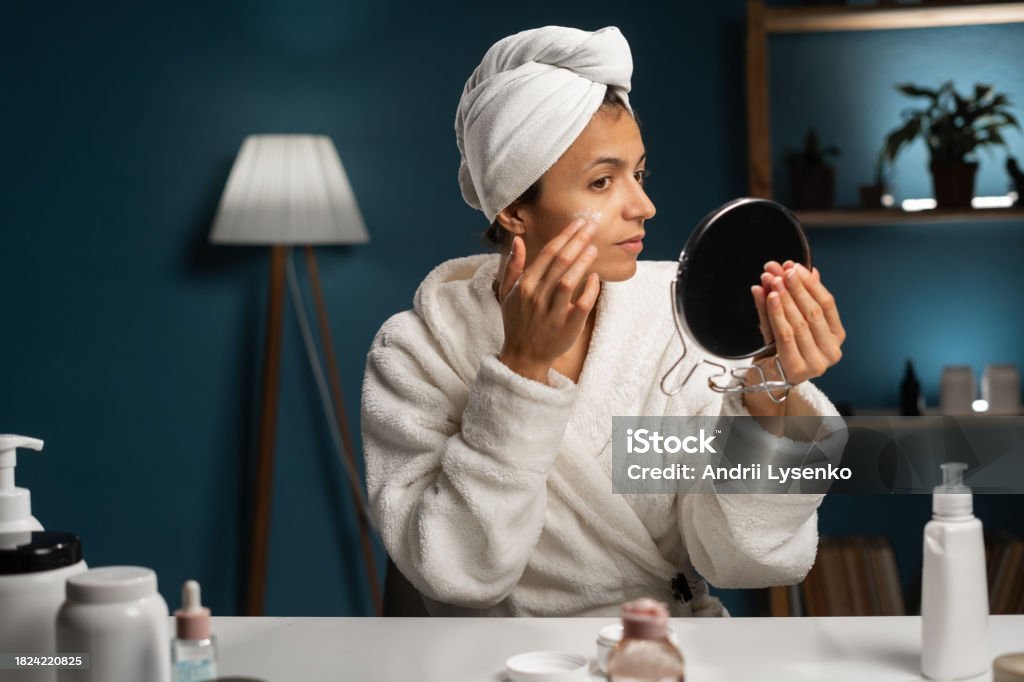
Recommended Routine
- Gentle cleanser
- Hydrating serum
- Rich moisturizer
- Facial oil (optional)
- Lip balm
Lifestyle Habits That Improve Dry Aging Skin
Healthy skin begins from within.
Daily habits significantly influence hydration levels.

Drink Enough Water
Although moisturizer works externally, proper hydration supports healthier skin.
Aim for consistent water intake throughout the day.
Eat Healthy Fats
Foods rich in healthy fats support skin health.
Examples include:
- Salmon
- Walnuts
- Avocados
- Olive oil
- Chia seeds
Sleep Well
During sleep, the skin repairs damaged cells and restores moisture.
Most adults benefit from 7–9 hours of quality sleep.
Text Infographic
          BEST MOISTURIZER FOR DRY AGING SKIN OVER 60

                     ↓
         Gentle Hydrating Cleanser
                     ↓
      Hyaluronic Acid + Peptide Serum
                     ↓
      Rich Ceramide Moisturizer Cream
                     ↓
          SPF 30+ (Morning Only)
                     ↓
        Healthy Barrier + Soft Skin
                     ↓
      Reduced Dryness • Fewer Wrinkles
Quick Comparison Table
| Skin Concern | Recommended Ingredient |
|---|---|
| Dryness | Hyaluronic Acid |
| Weak Skin Barrier | Ceramides |
| Fine Lines | Peptides |
| Rough Texture | Urea |
| Dull Skin | Niacinamide |
| Irritation | Colloidal Oatmeal |
| Redness | Panthenol |
| Tight Skin | Squalane |
Common Moisturizing Mistakes That Make Dry Aging Skin Worse
People who invest in premium skincare products may not see the desired results if they make common skincare mistakes. As important as choosing the best moisturizer for dry aging skin over 60 is knowing what to avoid.
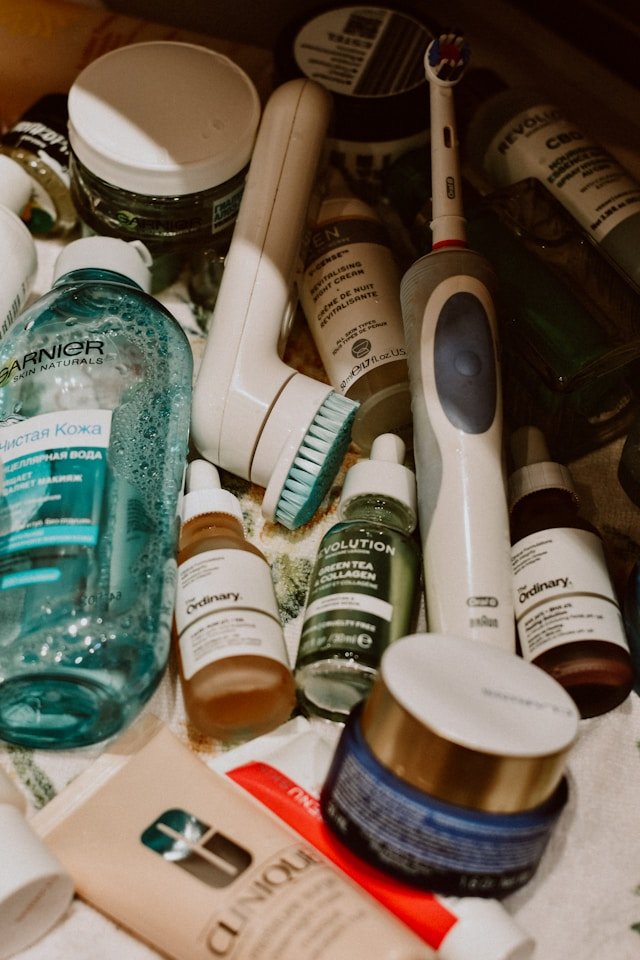
Applying Moisturizer to Completely Dry Skin
It is common for people to wait too long after washing their faces. Applying Moisturizer for Dry Aging Skin to slightly damp skin helps trap water inside the outer layer of the skin.
Better approach:
- Cleanse gently.
- Pat your skin lightly with a towel.
- Apply moisturizer within one minute.
Using Too Little Product
It is often not enough to apply a pea-sized amount to mature, dry skin. Ensure that you apply enough moisturizer to cover your face, neck, and upper chest without excessive rubbing.
Forgetting the Neck and Chest
Almost as quickly as the face, the neck and chest show signs of aging. All skincare products, including Moisturizer for Dry Aging Skin and sunscreens, should be applied to these areas.
Over-Exfoliating
Too much exfoliation can weaken the skin barrier and increase dryness by removing dead skin cells.
For most people over 60:
- Exfoliate only once every 7–10 days.
- Choose gentle exfoliants.
- Avoid harsh scrubs.
Skipping Sunscreen
It increases wrinkles, accelerates collagen breakdown, and worsens dryness when exposed to the sun. Your moisturizer should have an SPF of 30 or higher every day.
Seasonal Moisturizing Tips

Best Moisturizer for Dry Aging Skin Over 60
Winter
Cold air and indoor heating reduce humidity, making skin drier.
Winter routine:
- Use a richer cream moisturizer.
- Avoid long, hot showers.
- Apply moisturizer after every shower.
- Consider using a humidifier indoors.
Summer
Even in warm weather, mature skin needs hydration.
Choose:
- Lightweight cream moisturizers.
- Broad-spectrum sunscreen.
- Gentle cleansing to remove sweat without stripping natural oils.
Spring
Pollen and changing temperatures can increase skin sensitivity.
Maintain hydration and avoid introducing too many new products at once.
Autumn
Prepare your skin for colder weather by gradually switching to richer moisturizers and reducing harsh exfoliation.
Building the Ideal Skincare Routine After 60
Morning Routine
| Step | Product Type | Purpose |
|---|---|---|
| 1 | Gentle Cleanser | Remove impurities |
| 2 | Hydrating Serum | Add moisture |
| 3 | Moisturizer | Lock in hydration |
| 4 | Sunscreen SPF 30+ | Protect from UV damage |
Evening Routine
| Step | Product | Purpose |
|---|---|---|
| 1 | Gentle Cleanser | Remove makeup and dirt |
| 2 | Hydrating Serum | Restore moisture |
| 3 | Rich Moisturizer | Repair overnight |
| 4 | Facial Oil (Optional) | Seal hydration |
Foods That Support Healthy Aging Skin
Healthy skin starts from within. A balanced diet can complement your skincare routine.
You need best vitamin c serum korea 2026
Omega-3 Rich Foods
- Salmon
- Sardines
- Walnuts
- Flaxseeds
- Chia seeds
These healthy fats help support the skin barrier and may reduce dryness.
Vitamin C Foods
Vitamin C supports collagen production.
Include:
- Oranges
- Strawberries
- Kiwi
- Bell peppers
- Broccoli
Vitamin E Foods
Vitamin E acts as an antioxidant.
Examples:
- Almonds
- Sunflower seeds
- Avocados
- Spinach
Protein Sources
Protein provides the building blocks for skin repair.
Choose:
- Eggs
- Fish
- Chicken
- Lentils
- Beans
- Greek yogurt
Myths vs. Facts About Moisturizing Mature Skin
| Myth | Fact |
|---|---|
| Oily products always clog pores | Many nourishing oils are suitable when chosen appropriately. |
| Drinking water alone fixes dry skin | Internal hydration helps, but topical moisturizers are still essential. |
| Expensive moisturizers always work better | Ingredients matter more than price. |
| Wrinkles disappear with moisturizer | Moisturizers soften the appearance of fine lines but do not erase wrinkles. |
| Mature skin doesn’t need sunscreen | UV protection remains essential at every age. |
Expert Tips for Better Results
Layer Products Correctly
Apply products from thinnest to thickest consistency:
- Serum
- Moisturizer
- Facial oil (optional)
Avoid Very Hot Water
Hot water strips natural oils. Wash with lukewarm water instead.
Moisturize Hands Regularly
Hands often reveal aging first. Reapply hand cream after washing.
Don’t Forget Overnight Care
Nighttime is when skin naturally repairs itself. A richer evening moisturizer can help replenish moisture lost during the day.
Frequently Asked Questions (FAQ)
What ingredients are most beneficial for dry aging skin over 60?
Check for hyaluronic acid, ceramides, glycerin, squalane, peptides, niacinamide, panthenol, and shea butter. In addition to hydrating, strengthening the skin’s barrier, and improving the skin’s appearance, these ingredients also fight wrinkles.
Should mature skin use a cream or a lotion?
It is generally better to use creams, since they contain more emollients and provide longer-lasting hydration.
Can moisturizer reduce wrinkles?
It is not possible to remove wrinkles permanently with moisturizer, but it is possible to make fine lines appear less noticeable by plumping the skin.
How often should I moisturize?
Most people benefit from moisturizing twice daily—morning and evening. If your skin is extremely dry, you may also need to reapply it throughout the day.
Is fragrance-free moisturizer better?
Yes. Fragrance-free formulas are often better tolerated by dry and sensitive mature skin.
Can I use facial oil with moisturizer?
Yes. Facial oil is typically applied after moisturizer to help reduce moisture loss.
Is sunscreen necessary if I stay indoors?
Yes. UVA rays can penetrate windows, and daily sunscreen is a good habit for protecting aging skin.
Does exfoliation help mature skin?
Gentle exfoliation can improve texture, but over-exfoliating can increase dryness and irritation.
Can I use the same moisturizer on my neck?
Yes. The neck and chest benefit from the same hydrating products used on the face.
How long does it take to notice improvement?
Many people notice softer skin within days, while improvements in skin texture and barrier function often become more noticeable after several weeks of consistent use.
Final Thoughts
There’s more to choosing the best moisturizer for dry aging skin over 60 than simply relieving dryness. Moisturizing supports the skin’s natural barrier, reduces moisture loss, softens the appearance of fine lines, and contributes to a healthier, more comfortable complexion.
Consistency is key. A moisturizer should be used in conjunction with a gentle cleanser, sunscreen every day, and a diet rich in healthy fats, protein, and antioxidant-rich foods. Even though no moisturizer can stop the natural aging process, the right routine can help you look and feel your best.

[…] you need information aboutbest-moisturizer-for-dry-aging-skin-over-60. […]