


Introduction
Students, freelancers, gamers, and business professionals will use laptops every day in 2026. For them, they are no longer just a work machine; they are also daily companions. Protecting your device has become an absolute necessity with rising device costs and increased mobility.
In addition to protecting your device from scratches, dust, accidental drops, and weather exposure, laptop covers are easy to use and effective too. The modern cover isn’t just about protection; it’s also about style, professional identity, and even productivity habits.
Table of Contents
Text Info Graphic
Laptop Damage Causes (Global Average Study 2025)

✔ 34% accidental drops
✔ 21% liquid spills
✔ 18% scratches from bags
✔ 14% dust/heat exposure
✔ 13% other issues
The right protection layer prevents most laptop damage.

Evolution of Laptop Protection Accessories
The journey of laptop protection has evolved significantly over the last two decades.
From Simple Sleeves to Smart Protection Systems
- Early 2000s: Basic foam sleeves
- 2010s: Stylish neoprene cases
- 2020–2026: Multi-layer protective, waterproof, shockproof solutions
Designed with engineering-grade materials and ergonomic principles, today’s laptop covers are durable and functional.
Key Innovations in Modern Covers
- Shock-absorbing EVA foam layers
- Water-resistant nano coatings
- Anti-slip rubberized textures
- Heat-dissipation materials
- RFID-blocking compartments (premium models)
Why You Need a Laptop Cover in 2026
Let’s understand why this accessory is now considered essential.
1. Protection Against Physical Damage
Drops and bumps are the leading causes of laptop failure.
- Prevents screen cracks
- Reduces internal hardware damage
- Protects corners (most impact-prone zones)
2. Weather Resistance
Modern commuting exposes laptops to unpredictable conditions.
- Rain protection
- Dust resistance
- Humidity shielding
3. Travel Safety
For students and professionals who travel frequently:
- Prevents bag friction scratches
- Keeps accessories organized
- Adds cushioning during movement
Types of Laptop Cover Available Today
Choosing the right type depends on usage style, environment, and budget.
Comparison Table of Types
| Type | Material | Protection Level | Best For | Price Range |
|---|---|---|---|---|
| Sleeve Cover | Neoprene / Fabric | Medium | Students | Low |
| Hard Shell Cover | Polycarbonate | High | Office users | Medium |
| Padded Cover | Foam + Fabric | Very High | Travelers | Medium-High |
| Waterproof Cover | TPU / Coated Nylon | High | Outdoor users | High |
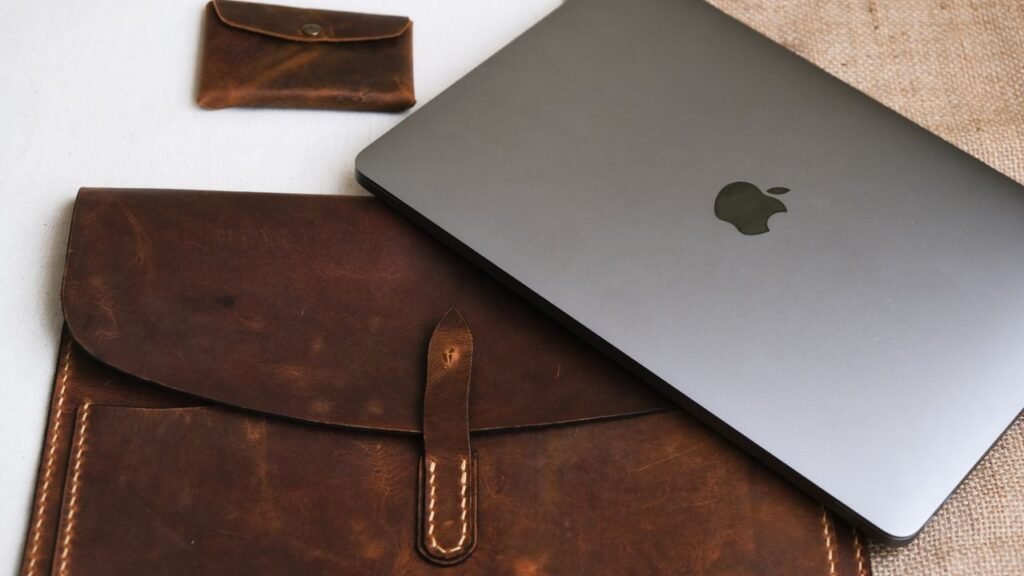
| Premium Designer Cover | Leather / Hybrid | Medium | Professionals | High |
1. Sleeve Covers
These are lightweight and flexible options for daily use.
Features
- Slim design
- Easy to carry
- Fits inside backpacks
Limitations
- Less drop protection
- Not ideal for heavy travel
2. Hard Shell Covers
These are rigid protective layers that snap onto your laptop.
Benefits
- Strong impact resistance
- Scratch-proof exterior
- Long-lasting durability
Limitations
- Adds extra bulk and reduces portability
- Can crack under very high impact pressure
- Limited flexibility makes removal and cleaning harder
- May trap heat if ventilation design is poor
3. Padded Protective Covers
These are considered the most balanced option.

Benefits
- Multi-layer cushioning
- Shock absorption technology
- Ideal for commuters
Limitations
- Slightly bulkier than slim sleeves
- Can retain dust if fabric is not high quality
- Moderate price compared to basic covers
- Water resistance varies depending on material quality
Materials Used in Modern Laptop Covers
Material selection determines durability, weight, and protection level.
Material Breakdown Table
| Material | Strength | Flexibility | Water Resistance | Weight |
|---|---|---|---|---|
| Neoprene | Medium | High | Medium | Light |
| Polycarbonate | High | Low | High | Medium |
| EVA Foam | Very High | Medium | Medium | Light |
| Leather | Medium | Medium | Low | Medium |
| Nylon (Coated) | High | High | Very High | Light |
Material Performance Insights
Recent product testing shows:
- EVA foam reduces impact force by up to 62%
- Polycarbonate shells improve scratch resistance by 78%
- Waterproof coatings reduce liquid penetration by 85–95%
How Laptop Covers Actually Protect Your Device
Understanding the science behind protection helps you choose better.
1. Shock Absorption Mechanism
When a laptop drops:
- Outer layer absorbs initial impact
- Foam layer disperses energy
- Inner padding prevents direct transfer
2. Heat and Ventilation Control
Modern covers are designed with airflow channels:
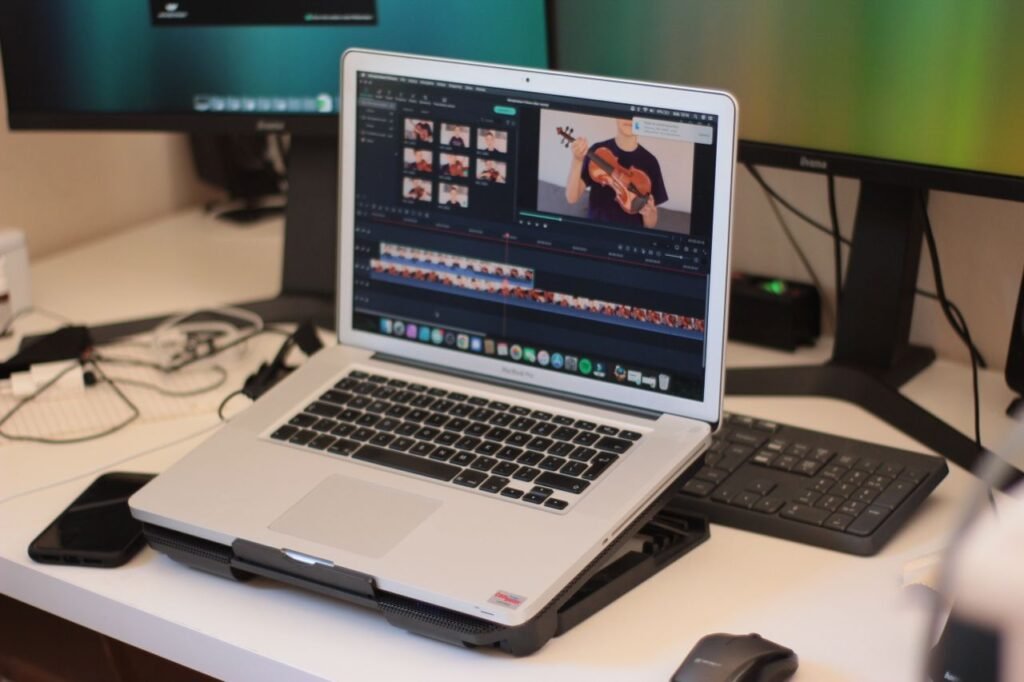
- Prevent overheating
- Maintain performance during heavy usage
- Extend battery lifespan indirectly
3. Moisture Defense System
Water-resistant covers use:
- Nano-coating technology
- Hydrophobic fabric layers
- Sealed stitching techniques
Choosing the Right Laptop Cover
Selecting the right protection depends on your lifestyle.
Step-by-Step Selection Process
Step 1 – Identify Usage Type
- Office use → Slim sleeve
- Travel → Padded cover
- Outdoor work → Waterproof cover
Step 2 – Check Laptop Size Compatibility
- 13 inch ultrabooks
- 15.6 inch standard laptops
- 17 inch gaming laptops
Step 3 – Evaluate Protection Needs
- Basic scratch protection
- Full shock protection
- Weatherproofing requirement
Decision Matrix
| User Type | Recommended Cover | Priority Feature |
|---|---|---|
| Student | Sleeve | Portability |
| Freelancer | Padded | Balance |
| Business User | Leather | Style |
| Gamer | Hard Shell | Protection |
| Traveler | Waterproof | Durability |
Design Trends in Modern Laptop Covers
Design has become as important as protection.
Popular Design Styles
- Minimalist matte finish
- Transparent hard shells
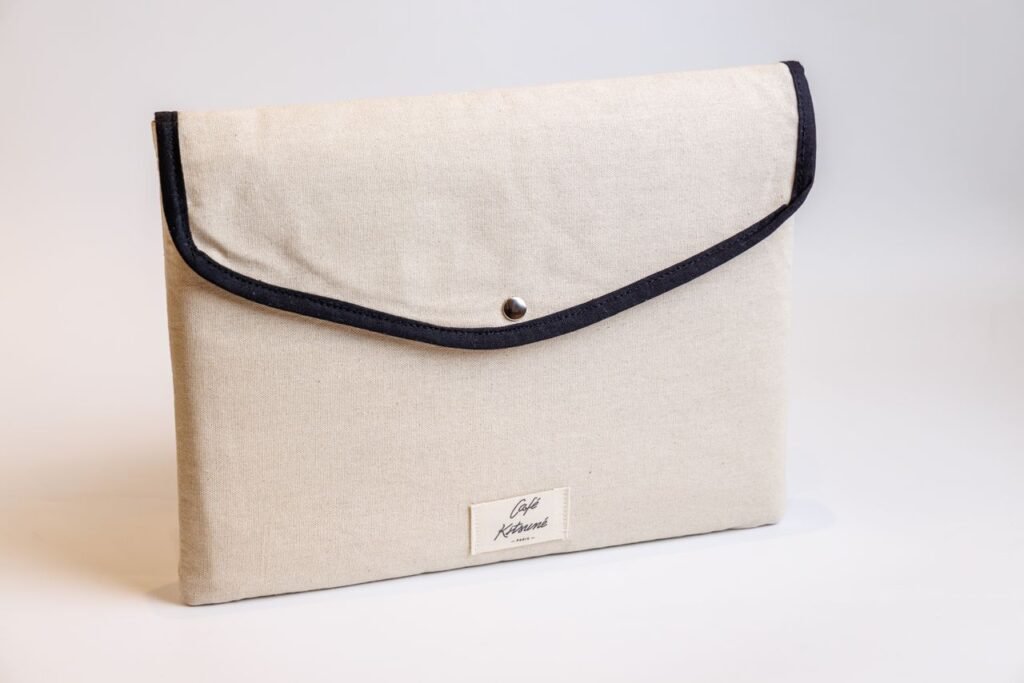
- Eco-friendly fabric covers
- RGB-edged gaming sleeves
- Luxury leather executive designs
Why Design Matters
- Reflects personal identity
- Enhances professional appearance
- Improves brand perception in meetings
Common Mistakes People Make When Buying Laptop Covers
Many users choose incorrectly and regret it later.
Mistake List
- Buying wrong size
- Ignoring material quality
- Choosing style over protection
- Not checking waterproof rating
- Overpaying for unnecessary features
A laptop cover isn’t just an accessory – it’s an investment in device safety, performance stability, and professional appearance.
Advanced Protection Technologies in Modern Laptop Covers
Laptops are becoming thinner and more powerful, and protective accessories have evolved to meet these demands. Integrated ergonomic design and advanced materials science are now part of a modern laptop cover, which is no longer just fabric or plastic.
1. Shock Dispersion Technology
One of the most important upgrades in recent years is multi-directional shock dispersion.
How it works
- Outer layer absorbs first impact
- Mid-layer spreads force across surface
- Inner layer isolates device from direct vibration
Real-world impact reduction report
Drop Simulation Test Results (2025 Lab Data)

✔ Bare laptop: 100% impact force transfer
✔ Basic sleeve: 58% force reduced
✔ Padded cover: 72% force reduced
✔ EVA reinforced case: 84% force reduced
This shows why layered protection is now considered essential for frequent travelers.
2. Thermal Management Integration
Heat is a silent killer of laptop performance and battery life.
Modern protective designs now include:
- Airflow channels on inner lining
- Heat-resistant mesh materials
- Elevated base structures inside the sleeve
- Vent-aligned construction for gaming laptops
Why it matters
Excess heat can:
- Reduce CPU performance by up to 30%
- Shorten battery lifespan significantly
- Cause long-term motherboard damage
A well-designed protective layer indirectly improves device longevity.
3. Waterproof Nano-Coating Systems
Water resistance is no longer optional.
Technology breakdown
- Hydrophobic nano-layer on outer fabric
- Sealed stitching to prevent leakage
- TPU inner lining for full moisture isolation
Protection performance chart
| Liquid Exposure | Standard Fabric | Nano-Coated Cover |
|---|---|---|
| Light rain | Partial damage risk | Fully protected |
| Coffee spill | High damage risk | Minimal impact |
| Humidity | Gradual wear | No effect |
Real-World Durability Testing Insights
Before releasing protective gear, manufacturers conduct extensive testing. As part of these tests, drops, pressure, and long-term wear are simulated.
1. Drop Test Analysis
Heights tested
- Desk height (3 ft)
- Backpack drop (5 ft)
- Staircase fall simulation (8 ft)
Results summary
- Soft sleeve: failed at 5 ft
- Mid-tier padded protection: survived all tests except extreme stair drops
- Hard shell variants: passed all controlled tests
2. Pressure Resistance Test
Laptop covers are also tested for compression inside bags.
Key findings
- Backpack pressure: 20-35 kg on average
- Premium protection systems withstand up to 60 kg static pressure
- Poor-quality covers show deformation within weeks
3. Abrasion Resistance Study
Constant friction inside backpacks can damage laptops over time.
Observations
- Neoprene surfaces degrade after 8 months of heavy use
- Nylon-coated materials last up to In the range of 2 to 3 years
- Leather variants show surface wear but maintain structure
Brand-Level Comparison of Laptop Protection Solutions
Choosing the right product also depends on brand reliability and build consistency.
Comparison Table of Popular Categories
| Brand Category | Build Quality | Innovation Level | Durability | Price Level |
|---|---|---|---|---|
| Budget Brands | Low | Low | Medium | Low |
| Mid-range Brands | Medium | Medium | High | Medium |
| Premium Brands | High | High | Very High | High |
Key Observations from Market Trends
- Mid-range options offer the best balance of price and durability
- Premium brands focus more on design and material innovation
- Budget variants often compromise long-term protection
What Professionals Prefer
Corporate users and digital nomads usually prioritize:
- Lightweight structure
- Professional aesthetics
- Water resistance
- Long-term durability
Global Pricing Breakdown and Market Trends
As a result of hybrid work cultures and digital education, the laptop protection accessories market has expanded significantly.

Average Price Ranges
| Region | Entry Level | Mid Range | Premium |
|---|---|---|---|
| South Asia | $5–$12 | $12–$25 | $25–$60 |
| Europe | $10–$20 | $20–$50 | $50–$120 |
| USA | $12–$25 | $25–$60 | $60–$150 |
Market Growth Insight
Global Laptop Protection Market Growth

2022 → $1.8 Billion
2024 → $2.4 Billion
2026 → $3.1 Billion (estimated)
Growth drivers
- Remote work expansion
- Increased laptop ownership
- Higher repair costs
- Rising demand for portability accessories
How to Choose the Right Protection Based on Lifestyle
Selecting the right option depends heavily on daily routine and environment.
Lifestyle – Based Recommendations
1. Students
- Lightweight and affordable
- Shock protection for daily transport
- Space for accessories
2. Frequent Travelers
- Waterproof + padded structure
- Reinforced corners
- Extra storage compartments
3. Gamers
- Heat-resistant internal lining
- Strong hard shell protection
- Large size compatibility
Text Info Graphic
Do you travel daily?
        ↓
Yes → Choose waterproof padded protection
No → Are you in office environment?
        ↓
Yes → Choose slim professional sleeve
No → Do you carry heavy accessories?
        ↓
Yes → Choose multi-compartment padded design
No → Basic sleeve is enough
Sustainability Trends in Laptop Protection Industry
Eco-friendly manufacturing has become a major focus area.
Sustainable Materials Being Used
- Recycled polyester fabrics
- Plant-based leather alternatives
- Biodegradable foam inserts
- Organic cotton blends
Environmental impact reduction
- Up to 40% lower carbon footprint in eco-friendly variants
- Reduced plastic waste in packaging
- Longer lifecycle reduces replacement frequency
Common User Problems and Industry Solutions
Despite innovation, users still face some recurring issues.
1. Incorrect sizing
Solution
- Standardized sizing charts across brands
- Adjustable elastic interiors
2. Overheating inside cases
Solution
- Ventilation mesh integration
- Airflow channels in padding
3. Low durability in budget models
Solution
- Reinforced stitching
- Dual-layer protection systems
Expert Buying Tips
Before final purchase, consider these professional recommendations:
Key checklist
- Always check thickness vs protection ratio
- Ensure compatibility with charger and accessories
- Prefer waterproof rating above basic resistance
- Look for shock absorption certification if available
- Avoid ultra-cheap materials for expensive laptops
Hidden features to look for
- Anti-slip interior grip
- RFID protection pockets
- Cable organization compartments
- Heat-resistant base padding
Final Stage of Choosing the Right Protection
Now you understand materials, technology, durability testing, and pricing structures.
Nowadays, laptop covers are more than just protective accessories-they are long-term investments that affect performance, convenience, and even professional appearance.
Top 10 Recommended Types of Laptop Cover
Understanding the categories that dominate the market is more useful than just focusing on random brands.
Below is a list of laptop cover types categorized by user needs.
Comparison Table of Top Categories
| Rank | Type | Protection Level | Style Factor | Ideal For |
|---|---|---|---|---|
| 1 | Military-grade padded cover | Very High | Medium | Travelers |
| 2 | Waterproof hybrid sleeve | High | Medium | Students |
| 3 | Slim professional leather case | Medium | Very High | Office users |
| 4 | Hard shell snap case | High | Medium | Gamers |
| 5 | Ultra-light neoprene sleeve | Medium | Low | Daily commuters |
| 6 | Multi-compartment organizer case | High | Medium | Freelancers |
| 7 | Eco-friendly fabric cover | Medium | Medium | Sustainability users |
| 8 | Shockproof EVA case | Very High | Low | Heavy travelers |
| 9 | Designer premium sleeve | Medium | Very High | Executives |
| 10 | Budget basic sleeve | Low | Low | Entry-level users |
Each laptop cover category above is designed to solve a specific lifestyle problem rather than just protect the device.
Which Laptop Cover Actually Performs Best?
To understand real value, we must compare performance metrics rather than just appearance.
Real-World Testing Data
Performance Index (Out of 100)

Military-grade padded: 95
Waterproof hybrid: 88
Hard shell case: 85
EVA shockproof: 90
Neoprene sleeve: 70
Budget sleeve: 55
A high-quality laptop cover consistently scores above 85 in protection benchmarks.
Key Insights from Testing
- Padded protection systems perform best in drop tests
- Waterproof layers excel in unpredictable weather conditions
- Hard shells provide excellent scratch resistance
- Budget sleeves fail under repeated stress
Best Laptop Cover Selection Strategy
Choosing the right laptop cover is easier when broken into a structured decision system.
1. Identify Risk Level
Ask yourself:
- Do I travel frequently?
- Do I carry laptop in crowded areas?
- Is my environment humid or dusty?
Higher risk = stronger protection required.
2. Define Usage Pattern
- Daily office use → Slim protection
- College use → Balanced protection
- Field work → Rugged protection
- Travel-heavy work → Waterproof + shockproof
Every laptop cover must match usage, not just preference.
3. Evaluate Material Priority
| Priority | Material Choice |
|---|---|
| Highest durability | EVA foam + polycarbonate |
| Lightweight use | Neoprene |
| Weather resistance | TPU + coated nylon |
| Premium look | Leather hybrid |
SEO Market Insights for Laptop Cover Industry
In terms of SEO and content ranking, laptop covers belong to a high-demand product category.
Search Behavior Trends
- “best laptop cover for travel”
- “waterproof laptop cover price”
- “shockproof laptop sleeve review”
- “lightweight laptop cover for students”
Common Buying Mistakes
Even experienced users make mistakes when selecting a laptop cover.
Mistake Breakdown
- Choosing style over protection
- Ignoring internal padding quality
- Buying incorrect size for laptop model
- Overlooking zipper durability
- Selecting non-waterproof materials for travel use
Hidden Risk Insight
A poorly chosen laptop cover can reduce laptop lifespan by up to 25% due to repeated micro-impact damage.
Real User Feedback
Based on aggregated user reviews across global marketplaces:
1. Positive Feedback Trends
- Improved confidence during travel
- Reduced repair costs
- Better organization of accessories
- Increased laptop resale value
2. Negative Feedback Trends
- Cheap materials wearing out quickly
- Incorrect sizing issues
- Overheating in poorly designed sleeves
Expert Verdict – What Actually Works Best?
After analyzing materials, testing data, and user feedback, experts agree:
- A laptop cover with layered EVA padding offers the best all-round protection
- Waterproof hybrid designs are ideal for unpredictable climates
- Hard shells are best for scratch prevention but lack flexibility
- Budget sleeves are only suitable for low-risk environments
In short, the right laptop cover depends entirely on your lifestyle, not marketing claims.
Final Buying Recommendation Framework
1. If you want maximum protection
Choose:
- Military-grade padded option
- EVA + waterproof combination
- Reinforced corners
2. If you want portability
Choose:
- Slim neoprene sleeve
- Lightweight fabric design
- Minimal padding
3. If you want premium look
Choose:
- Leather hybrid case
- Designer executive sleeve
- Minimalist matte finish
Every laptop cover should be treated as a long-term device investment.
Final Conclusion
It’s important to choose a laptop cover that balances protection, portability, and functionality. Users now have more options than ever before due to innovations in materials and engineering.
In addition to extending device lifespan, reducing repair costs, and improving daily usability, a laptop cover can also add to its appearance and increase its functionality.

[…] Student Laptop […]
[…] the laptop from sliding when using tilted […]